

A 600-year-old Joseon-era magistrate’s office as your backdrop — and yoga, folk plays, and handmade keyrings on the schedule. 🏛️ The 2026 Gijang Eupseong Festival runs October 9–11 in Busan’s Gijang County, with pre-registration programs filling up fast at just KRW 5,000–7,000 (approx. USD 4–5). Here’s how to sign up, what to expect, and how to get there. 🌿
※ Check the official website for the most accurate and up-to-date information.
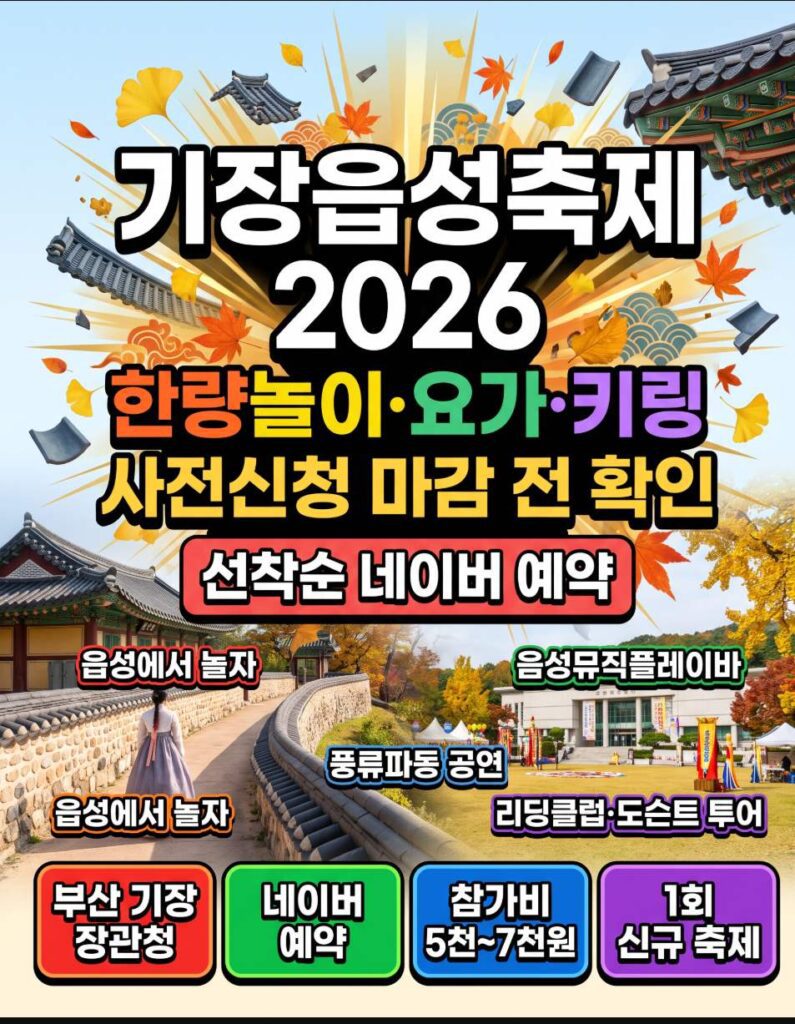
🍃 The Gijang Eupseong Festival 2026 runs October 9–11 (Friday–Sunday) at Jangwancheong and Gijang Modern History Museum in Gijang County, Busan. It’s the very first edition of this brand-new heritage festival, and pre-registration spots are closing fast — check availability now!
The Gijang Eupseong Festival is a new heritage and cultural experience festival launched in 2026, built around the unique atmosphere of Jangwancheong (장관청) — the preserved Joseon-dynasty local government building — and the Gijang Modern History Museum (기장근대역사관). Styled around the concept of “slow life” and wellness, it replaces the typical spectator-festival format with hands-on, small-group programmes that visitors sign up for in advance.
Based on official announcements as of September 2026, the festival runs five or more programmes — Hanryang Play (한량놀이), yoga and meditation, a reading club (리딩클럽), Gijang Eupseong keyring crafting, and Stonework (돌워크) — each at a participation fee of KRW 5,000–7,000 (approx. USD 4–5), with pre-registration via Naver Reservations.
The official website is in Korean only. Your browser’s translate feature (e.g., Chrome → Translate) works well for checking dates and prices.
Gijang Eupseong Festival Official Info (Korean)
📊 Gijang Eupseong Festival at a Glance
Busan’s first heritage slow-life festival — small-group, pre-registered experience programmes at a historic Joseon site (1st edition, 2026)
Hanryang Play, yoga and meditation, reading club, keyring crafting, and Stonework run in limited-capacity slots at Jangwancheong and the Gijang Modern History Museum.
Dates: Friday, October 9 – Sunday, October 11, 2026
Venue: Jangwancheong · Gijang Modern History Museum, Gijang County, Busan
Participation Fee: KRW 5,000–7,000 per programme (approx. USD 4–5)
Registration: From September 15 (Tuesday), first-come first-served via Naver Reservations; detailed guidance sent 3 days before the event
Spots fill quickly — check remaining availability immediately and register before capacity runs out.
Gijang Eupseong Festival Key Info
Friday, October 9 – Sunday, October 11, 2026
Held at Jangwancheong and the Gijang Modern History Museum in Gijang County, Busan, this is the inaugural edition of a heritage-focused, slow-life festival. Five or more programmes run in limited slots: Hanryang Play, yoga and meditation, reading club, Gijang Eupseong keyring crafting, and Stonework. Participation fee is KRW 5,000–7,000 (approx. USD 4–5) per programme, with Naver Reservations handling registration from September 15.
A detailed guidance text is sent three days before the event — make sure your contact details are correct when registering.
1. Gijang Eupseong Festival: 3 Things to Know
1st Edition — Slow Life at a 600-Year-Old Joseon Site
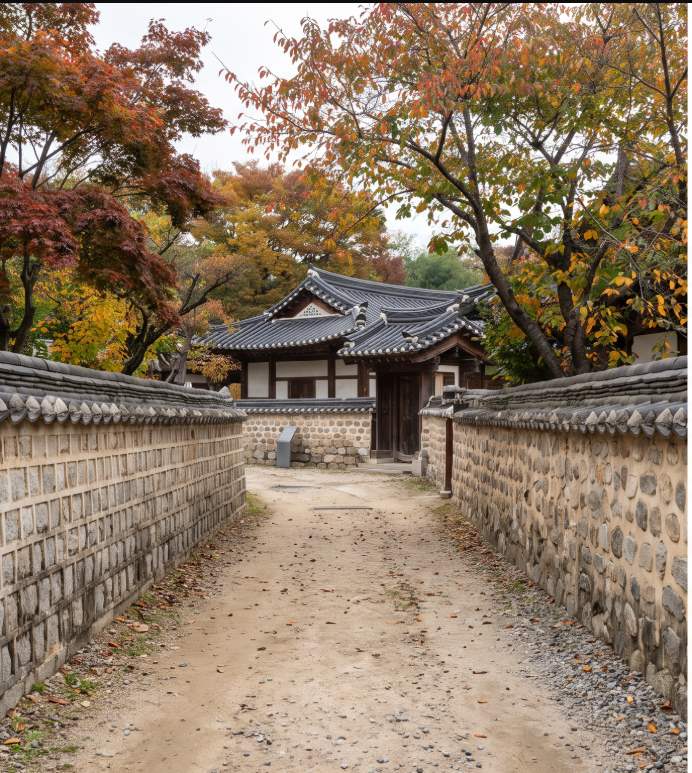
The 2026 Gijang Eupseong Festival is the very first edition of what Gijang County aims to develop into Busan’s signature autumn heritage event. The central venue, Jangwancheong (장관청), is a preserved Joseon-dynasty (1392–1897) local government building — the kind of administrative hall where the county magistrate’s subordinate officers worked. Heritage spaces like this are rarely repurposed as festival venues, which gives Gijang Eupseong its distinctive character: instead of the open-air concert format common to most Korean autumn festivals, it leans into contemplation, craft, and slow engagement with history. The adjacent Gijang Modern History Museum (기장근대역사관) adds a layer of modern-era Gijang history for visitors interested in the region’s development beyond the Joseon period.
Pre-Registration Programmes — Small Groups, Big Experiences
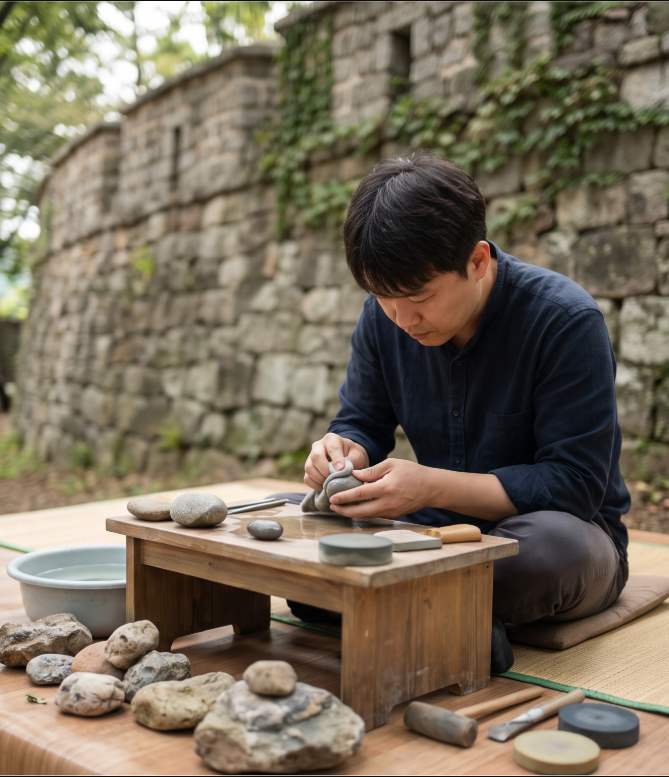
Every programme at the Gijang Eupseong Festival operates on a pre-registration, limited-capacity basis — the defining feature that separates it from most Korean festivals. Hanryang Play (한량놀이), a recreation of the leisurely pursuits of Joseon-era hanryang (educated gentlemen of leisure); yoga and meditation in the courtyard; a reading club (리딩클럽) for reflective discussion; Gijang Eupseong keyring crafting; and Stonework (돌워크, a meditative practice using natural stones) are the five confirmed programmes. Each is capped at a small number of participants to maintain a calm, high-quality experience. According to official announcements, registration opened September 15 via Naver Reservations, and spots have been filling on a first-come-first-served basis since then.
💡 Klook offers great activity packages around Busan and Gijang — combine the Eupseong Festival with a local seafood tour or Haeundae day trip for the perfect Busan weekend!
Because it is the festival’s inaugural year, programme schedules and on-site arrangements may be updated closer to the event date. Follow the official Instagram account (@gijang_festa or the linked account on the official post) for real-time updates. The organiser also sends a detailed information text to all registered participants three days before the event, covering exact meeting points, what to bring, and any last-minute changes.
2. Dates, Venue & How to Get There
Jangwancheong — The Main Festival Space
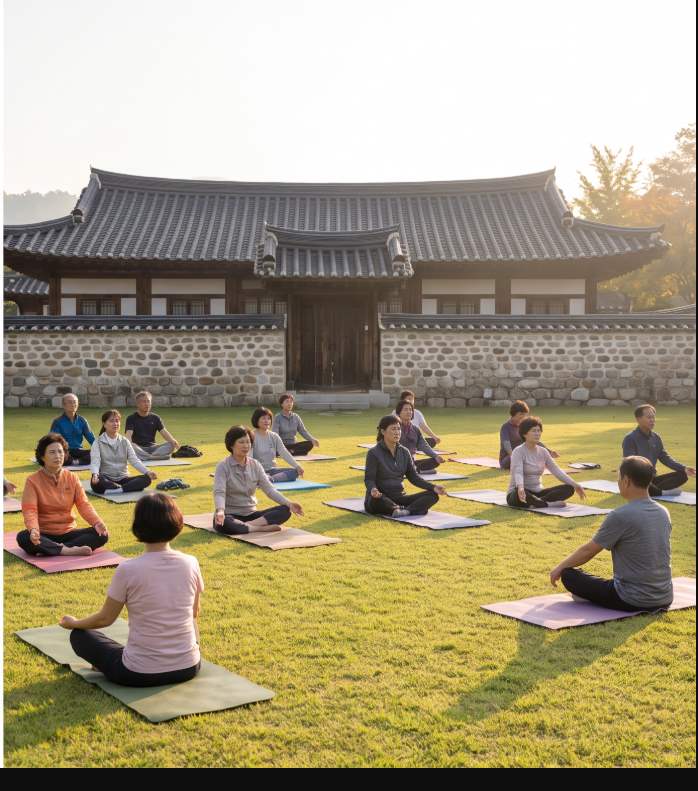
Jangwancheong is located in Gijang-eup (Gijang Town), Gijang County, Busan. The traditional tiled-roof building and its manicured lawn courtyard serve as the backdrop for Hanryang Play, yoga and meditation, and the reading club. Gijang-eup sits on the eastern coast of Busan Metropolitan City, about 30–40 minutes by car from central Busan (Haeundae, Seomyeon). The area is also known for its fresh seafood markets, Gijang crab, and Ilgwang Beach.
Gijang Modern History Museum — Exhibitions & Supporting Programmes
The Gijang Modern History Museum is adjacent to Jangwancheong and houses exhibitions on Gijang’s history from the late Joseon era through the modern period. During the festival, supporting events and displays are expected to run in and around the museum. Both venues are within easy walking distance of each other, so plan a combined visit.
Getting There from Seoul & Incheon Airport
From Busan (Haeundae or Busan Station): Take the Donghae Line (동해선) to Gijang Station or Ilgwang Station, then a short bus or taxi to Gijang-eup — approx. 30–40 minutes total. From Seoul (KTX): Travel to Busan Station (approx. 2 hrs 15 min, from approx. KRW 59,800 / USD 44), then transfer to the Donghae Line. From Incheon Airport: Fly to Gimhae Airport (domestic connection) or take KTX to Busan, then Donghae Line. Car parking in Gijang-eup is limited during festival days — public transit is strongly recommended.
Heading to Gijang by train or express bus? Check timetables before you go — note that this page is in Korean, so your browser’s translate feature will help.
3. Tickets & Booking: 4 Steps for Foreign Visitors
Step 1: Access Naver Reservations — Choose Your Programme
Registration for all Gijang Eupseong Festival experience programmes is handled through Naver Reservations (네이버 예약), Korea’s dominant activity booking platform. The link is accessible via the festival’s official Instagram profile. Select the programme you want — Hanryang Play, yoga and meditation, reading club, keyring crafting, or Stonework — and check the remaining slots. Registration opened September 15 and has been running first-come-first-served since then. Note: Naver Reservations may require a Korean mobile number or Naver account; foreign visitors may find it helpful to use a SIM card purchased in Korea, or ask hotel staff for assistance. English availability may be limited on the booking interface.
Step 2: Select Date, Time & Number of Participants
Each programme runs on specific days and time slots across October 9–11. On the Naver Reservations page, choose the session that matches your visit date. Participation fees are KRW 5,000–7,000 per person (approx. USD 4–5) and payment is completed at the time of booking. Confirm whether walk-in registration on the day is possible by checking the organiser’s latest Instagram post before your visit.
Step 3: Receive Your Confirmation Text
After completing your Naver Reservations booking, a detailed guidance text message will be sent to the registered phone number three days before the event. This will include the exact meeting point, items to bring, and any updated instructions. Save this message and refer to it on the day of your visit. For the yoga and meditation session, comfortable, stretch-friendly clothing is recommended; a personal yoga mat is useful but may not be required — confirm with the organiser.
Step 4: Arrive at Jangwancheong — Then Explore the Whole Area
On the day of your programme, head to Jangwancheong (or the location specified in your guidance text) in Gijang-eup, Busan. From Donghae Line stations (Gijang or Ilgwang), take a bus or taxi to the town centre — the ride takes around 5–10 minutes. Public transit is strongly recommended as on-site parking is limited. After your programme, the Gijang Modern History Museum, Gijang seafood market, and the nearby coastline are all within easy reach.
The official website is in Korean only. Your browser’s translate feature (e.g., Chrome → Translate) works well for checking dates and prices.
Register for Gijang Eupseong Programmes (Korean)
4. Where to Eat & Stay Nearby
Gijang Crab & Dried Anchovy — Busan’s Coastal Flavours
Gijang County is celebrated across Korea for two foods: ganjang-gejang (soy-marinated raw crab, 간장게장) and myeolchi (Korean dried anchovies, 멸치). The area around Gijang seafood market and the coastal village of Daebyeon has a concentration of restaurants specialising in crab and anchovy dishes. After the festival, a 10–15 minute taxi ride brings you to the seafood strip for lunch or dinner. Expect to pay KRW 25,000–60,000 (approx. USD 18–44) per person for a crab set meal.
Stay Near the Beach — Agoda & Booking.com
Ilgwang Beach (일광해수욕장) and Imnang Beach (임랑해수욕장) are 10–20 minutes from Jangwancheong by car and offer ocean-view pensions (guesthouses) and small resorts. Search “Gijang pension” or “Ilgwang accommodation” on Agoda or Booking.com to compare options. Expect KRW 80,000–200,000 per night (approx. USD 59–147) for coastal pensions. Weekend bookings fill quickly around autumn holidays — reserve early.
1-Night Busan Itinerary: Gijang Heritage + Haeundae Beach
One of the most popular ways to frame a Busan trip around the Gijang Eupseong Festival is to pair it with Haeundae or Dongrae. The Donghae Line connects Gijang to Haeundae in roughly 30 minutes. Spend the morning at the festival, the afternoon at Haeundae or exploring Dongrae’s famous hot-spring baths (동래온천), and overnight in a Haeundae hotel. Search Trip.com or Expedia for Haeundae hotels from approx. USD 60–120 per night.
5. Gijang Eupseong Festival vs. Typical Korean Heritage Events at a Glance
The Gijang Eupseong Festival’s pre-registration, small-group format is a deliberate break from the large-audience spectator model common at most Korean autumn festivals. Here’s how it compares.
| Category | Gijang Eupseong Festival | Typical Korean Heritage Events |
|---|---|---|
| Edition | 1st (brand new in 2026) | Varies |
| Participation Method | Pre-registration via Naver Reservations | Usually walk-in |
| Participation Fee | KRW 5,000–7,000 / approx. USD 4–5 per programme | Free to paid — varies widely |
| Programme Concept | Slow life · wellness · heritage craft | Varies by event |
| Capacity | Small-group, first-come-first-served | Usually large-audience |
| Historic Venue | Jangwancheong + Gijang Modern History Museum | Parks, plazas, etc. |
| Pre-Event Guidance | Text message sent 3 days before | Rarely provided |
6. 5 Tips for Foreign Visitors
Tip 1: Check Registration Availability First
Registration opened September 15 and slots have been filling since then. Before planning your trip, go to the official Instagram link and check whether spots remain for your chosen programme and date. For walk-in availability on the day, contact the organiser via the Instagram account in advance to avoid a wasted journey. English responses are not guaranteed, but a simple message in English is worth trying.
Tip 2: Yoga & Meditation — Wear Comfortable Clothes
For the yoga and meditation session held in the open-air courtyard of Jangwancheong, stretchy, comfortable clothing is essential. Bringing a personal yoga mat is recommended if you have one — confirm with the organiser whether mats are provided. Early October in Gijang can be fresh and breezy, especially in the morning — a light layer on top is a good idea.
Tip 3: Gijang Eupseong Keyring — Most Popular Programme for Souvenirs
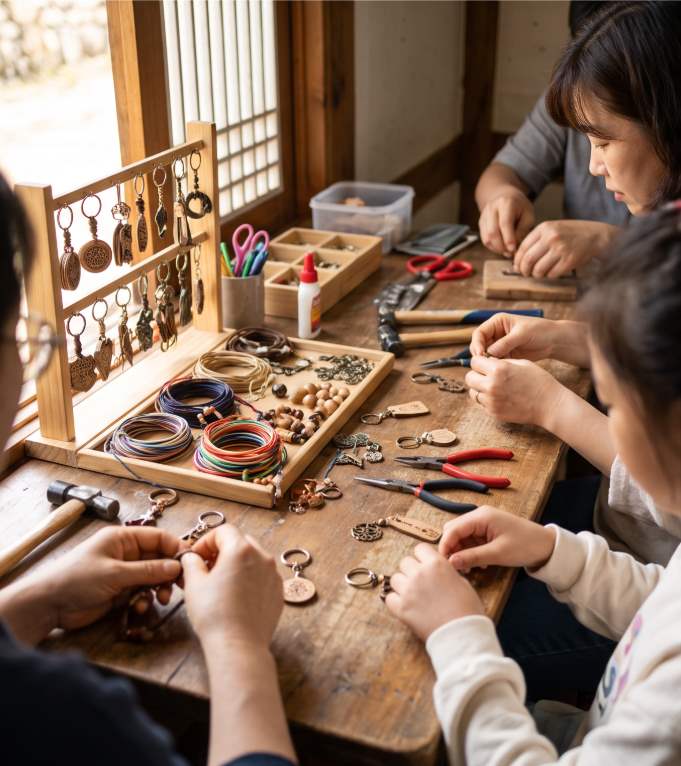
The Gijang Eupseong keyring crafting session lets you make your own handmade keyring inspired by the historic eupseong (walled town, 읍성) — a tangible, personal souvenir of your visit. Suitable for adults and older teenagers, it takes approximately 30–60 minutes. As one of the most popular programmes, it tends to fill faster than others — prioritise registering for this one if you’re interested.
Tip 4: Stonework — A Meditative Experience Worth Trying
Stonework (돌워크, Stone Work) is a meditative hands-on practice using natural stones, guided by an instructor. No prior experience is needed — arrive with an open mind and comfortable clothing. The finished piece can typically be taken home, making it another meaningful souvenir. Participation fee is KRW 5,000–7,000 (approx. USD 4–5), materials included.
Tip 5: Reading Club — Bring Your Curiosity
The reading club (리딩클럽) involves group reading and discussion, likely centred on Gijang’s history or local culture. Conducted in Korean, it may be challenging for visitors without Korean language ability — but the atmosphere of sitting and reading together inside a centuries-old Joseon-era building has its own quiet appeal. If you are curious, check with the organiser beforehand about the selected text.
💡 Klook has curated Busan day-trip packages including Gijang seafood experiences — a great way to round out your festival visit with a guided local food tour!
One final tip for first-timers visiting Gijang: English signage in the area is limited, so having Google Translate or Papago handy on your phone is practical. A few useful Korean phrases: 어디예요? (Eodie-yo? / “Where is it?”), 예약했어요 (Yeyak-haesseoyo / “I have a reservation”), and 기장 장관청 (Gijang Jangwancheong / the venue name) will help you navigate.
Frequently Asked Questions
More to Explore
Planning a Busan autumn trip? Use the Gijang Eupseong Festival as your anchor and build around it — Haeundae Beach, Dongrae hot springs, and Gijang seafood are all within easy reach. Search Agoda or Booking.com for Haeundae or Gijang accommodation early — October long weekends book up fast in Busan.
Heading to Gijang by train or express bus? Check timetables before you go.
Sources: Gijang Eupseong Festival official Instagram, Korea Tourism Organization – Discover Korea (September 2026 basis)
We cover festivals, travel, events, parks, and museums across Korea — always based on official sources.
We do our best to bring you accurate, up-to-date information from the latest official announcements.
https://en-event.jhs29.com